


How Do PVC Marine Wall Panels Compare With FRP Panels?

Marine environments are unforgiving. Constant moisture, humidity, salt exposure, frequent cleaning, and everyday impact can quickly expose weaknesses in ordinary wall materials. That is why choosing the right wall panel matters. Two commonly considered options are PVC marine wall panels and FRP (Fiberglass Reinforced Plastic) panels. While FRP has been used for years in commercial and industrial spaces, PVC panels offer a more practical combination of moisture resistance, easy maintenance, durability, and installation flexibility.
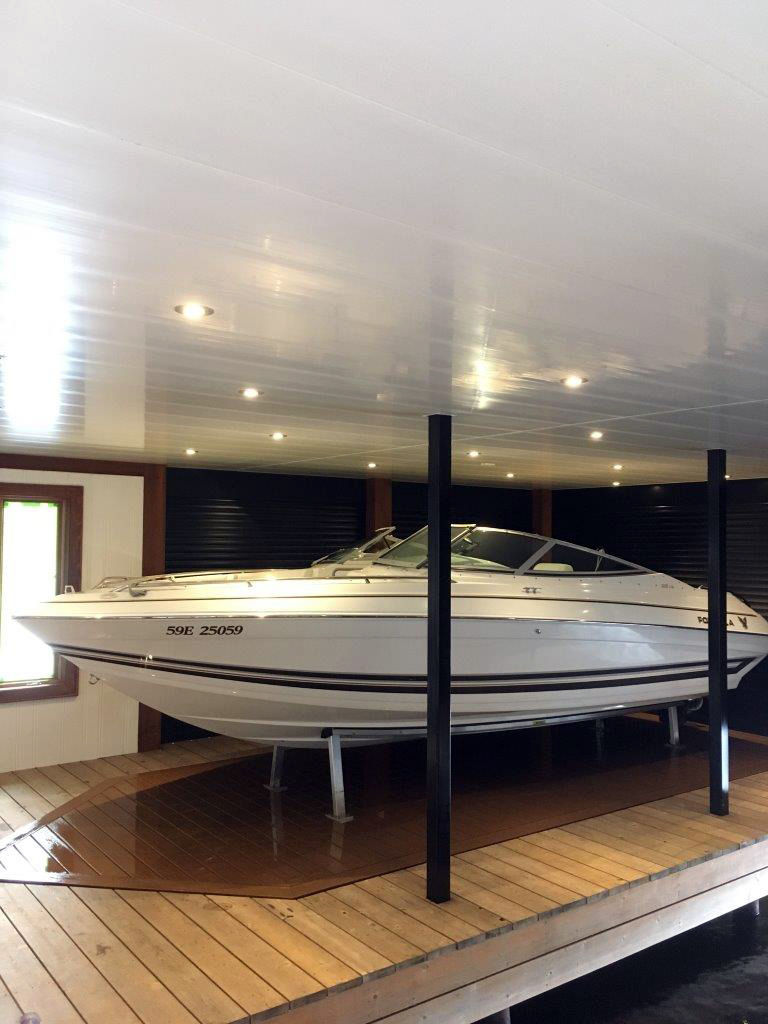
So, for many modern marine applications, PVC is the smarter choice.
PVC vs. FRP: Which Handles Moisture Better?
Water is one of the biggest concerns in any marine environment. PVC panels are non-porous and highly resistant to water, making them well suited for boat interiors, marine facilities, docks, wash areas, and other damp spaces. They do not absorb water, helping protect the wall surface from moisture-related deterioration.
FRP panels are also advertised as moisture-resistant. But their overall performance can depend heavily on properly sealed seams, joints, and adhesives, as well as the condition of the underlying surface. Moisture can seep through the seams and reach the wooden backers, causing rot and mold.
With PVC, the material's inherent water resistance makes it a strong fit for consistently wet environments.
Easier Cleaning and Lower Maintenance
Marine walls can accumulate dirt, salt residue, grease, and other contaminants. A wall system that is difficult to clean can quickly become a maintenance headache.
PVC wall panels feature a smooth, non-porous surface that can be cleaned relatively easily with appropriate cleaning solutions. The surface does not readily absorb spills or moisture, making routine upkeep simpler.
FRP has textured finishes and numerous seams that can make cleaning more demanding. For facilities where frequent washing is part of everyday operations, PVC's easy-clean surface can provide a meaningful advantage.
Installation is Simpler With PVC
Labor can account for a significant portion of a wall-panel project's overall cost. PVC panel systems are available in interlocking designs that can make installation straightforward. The panels can also be installed over existing surfaces, potentially reducing preparation work.
FRP installation often requires careful adhesive application and detailed finishing around seams, corners, and penetrations. The practical installation characteristics of PVC can make it an effective option for renovation and new construction projects alike.
PVC Offers Long-Term Practicality
A marine wall panel should do more than look good immediately after installation. It needs to withstand the environment year after year. PVC offers resistance to moisture, corrosion, staining, and everyday wear. Its low-maintenance characteristics can also help reduce the ongoing effort required to keep marine interiors looking clean.
FRP panels for marinas remain durable, but when the goal is to balance durability with moisture protection, maintenance, and ease of cleaning, PVC offers a compelling advantage.
Why Choose PVC Marine Wall Panels Over FRP?
For marine applications, PVC panels can deliver a better overall balance of performance and practicality. They are:
Water-resistant and non-porous
Easy to clean
Low maintenance
Resistant to moisture-related problems
Suitable for humid marine environments
Available in practical installation systems
Durable enough for demanding interior applications
Choosing the right wall system is ultimately about more than the initial material price. It is about how the panels perform after installation and how much time and effort they require to maintain.
Explore the PVC marine wall panels from Duramax, available at ½” thickness, 16” width, and customizable length. Place your order now for factory-direct prices and a limited lifetime warranty. Request a free consultation today!

Comments