


How Can Warehouses Prevent Forklift Damage to Walls?

Whenever we think of distribution hubs and industrial manufacturing plants, it is important to understand the role of high-tech machines in busy staging areas and high-traffic loading docks. Among these machines, forklifts are indispensable, keeping global supply chains moving. The constant motion of multi-ton vehicles operating in confined spaces creates an inevitable operational risk. Forklift and counterweight damage walls, which leads to costly repairs, operational downtime, and sanitation violations in food and pharmaceutical facilities.
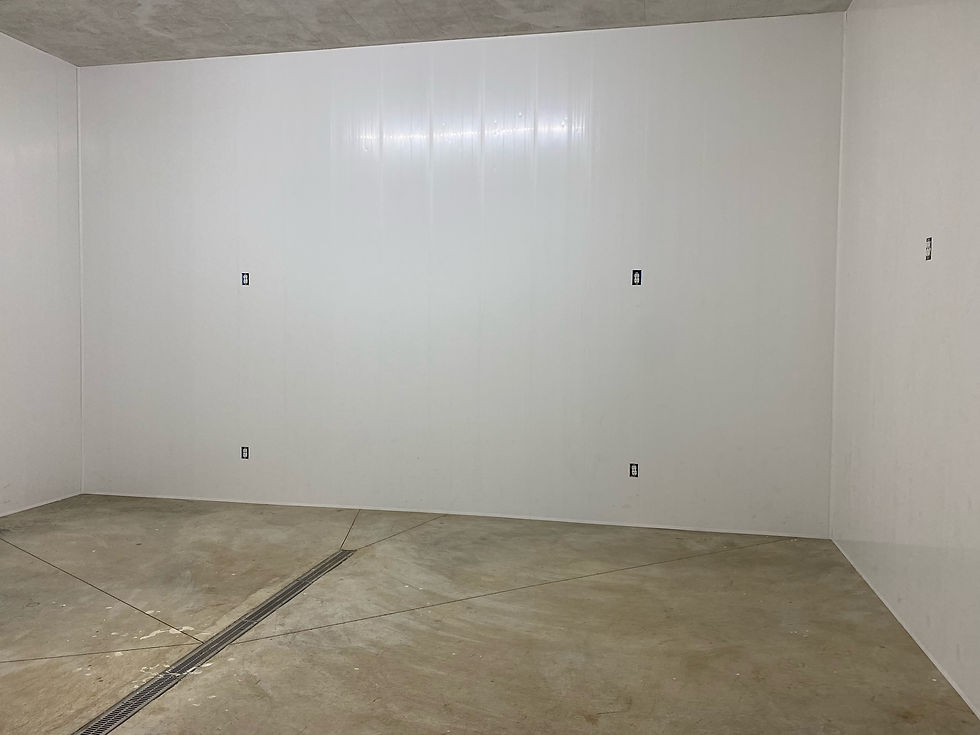
To address these existing problems, installing vinyl warehouse wall panels is a practical solution. Unlike traditional walls, vinyl wall and ceiling panels are engineered to withstand repeated, high-energy impacts from forklift forks and pallets. They are durable wall materials that never split, crack, or dent upon heavy impacts.

The Power of Impact-Resistant Vinyl Panels- The Crucial Line of Defense
When a heavy forklift brushes or strikes the wall, the vinyl panels’ structural integrity remains intact, without degrading or collapsing. Vinyl wall panels feature an inner webbed truss design that offers high tensile strength, ensuring lasting warehouse wall protection. Here are the key advantages of integrating vinyl panels in warehouses-
Exceptional Durability Guaranteed - Made from a polyvinyl chloride formulation, vinyl walls resist dents, cracks, and scratches from metal forks and pallets.
Sanitary and Low-Maintenance Surface- Non-porous vinyl panels create an easy-to-clean barrier that resists chemical, moisture, and fungal growth. This makes it a top choice for cold storage, pharmaceutical distribution, and food-grade warehousing. Their crevice-free surface prevents harboring mold growth that could lead to strict compliance failures during safety audits.
Rapid Installation That Saves Your Time—Vinyl wall panels feature a tongue-and-groove interlocking mechanism that speeds installation. They attach directly to studs without wooden backers or adhesives. A local or certified installer can finish the job in a few hours.
PVC Panels Support Long-Term Cost Savings
Installing traditional drywall or FRP in high-traffic warehouses leads to operational expenses. Minor forklift scrapes lead to recurring patching, sanding, and edge resealing. Besides, the installation demands additional labor, which makes overall assembly costly. PVC wall panels are a cost-effective option compared to FRP and drywall. Their extended lifespan and minimal maintenance reduce ongoing expenses. Installation is easy and does not require costly sealing, taping, or lamination.
Frequently Asked Questions
1. How Do PVC Panels Hold Up Against Accidental Equipment Impact?
PVC wall panels feature an inner truss structure that easily absorbs impacts from heavy carts and machinery without denting or cracking.
2. How Do PVC Panels Help Optimize Lighting?
The bright, highly reflective surface of PVC panels expands existing room lighting. This reduces total energy costs and improves workers’ visibility.
3. Are PVC Panels Compliant with Federal Food Safety Standards?
Yes. Vinyl panels are CFIA- and USDA-accepted and meet all FDA guidelines for sanitary wall and ceiling surfaces in warehouse environments.
Consider Duramax Vinyl Panels for Improving Warehouse Functionality
Duramax is a reliable vinyl wall panel supplier in North America. Our vinyl panels are durable and come in ½ inch thickness and 16 inches wide. You can customize vinyl panels in white, gray, and black shades. We ship vinyl panels to your destination within two weeks. Save 50% on labor and 40% on material expenses with Duramax. Ask for a free consultation now.

Comments